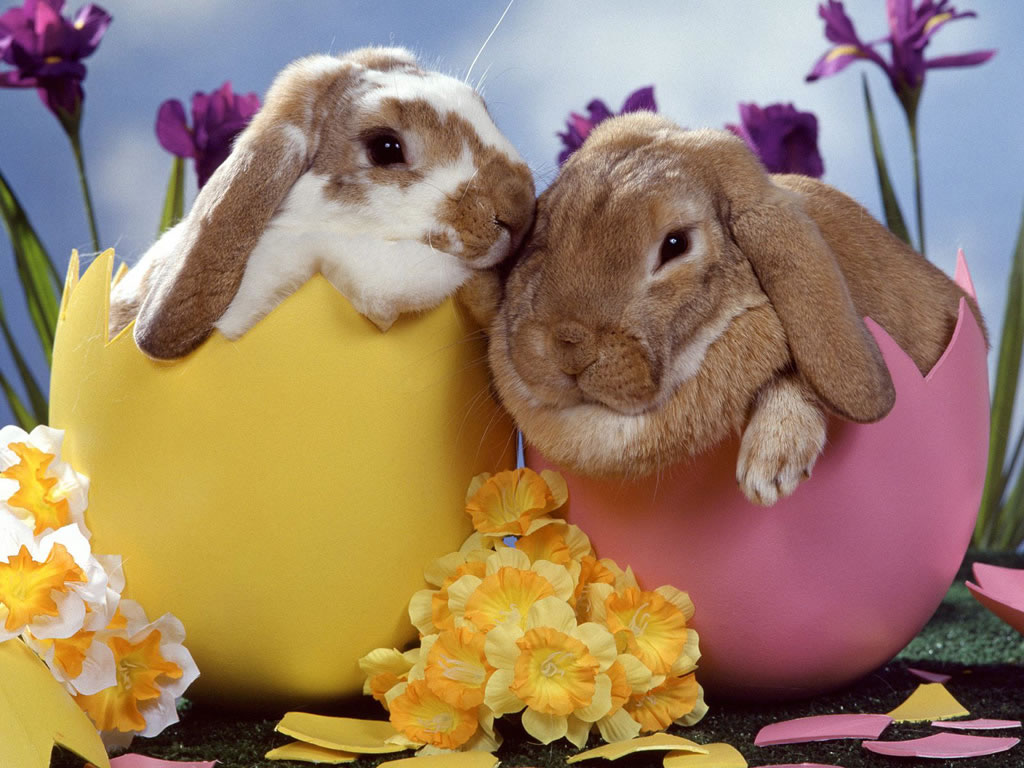
* It's commonly known that Easter is no big deal in the UK these days. This, the most important catholic celebration, sadly lost its spirituality ages ago. These days most people in the UK treat Easter as another bank holiday (mind you, some have to work as groceries are open on these days!) when you can just go away with your fam, chill out at home in front of your telly or just go out and meet your friends. Basically, let's face the truth, it's all about having a day off work and eating chocolate Easter eggs and bunnies. (
Cadbury Chocolate Creme Eggs must be the leading brand in the UK) See some quirky ads with the Creme Egg Goo
HERE :)
Powszechnie wiadomo, ze święta Wielkiej Nocy w UK to nic wielkiego, niestety. To, z punktu kościoła katolickiego, najważniejsze święto w roku, straciło tutaj swój wymiar duchowy i religijny już dawno temu. Dominuje tu religia zwana - marketingiem. Bardziej liczy sie wyprzedaż mebli niż religijna tradycja. W dzisiejszych czasach Brytyjczycy traktują to święto jako kolejne wolne od pracy dni, kiedy to można albo gdzieś wyjechać z rodziną, albo posiedzieć przed tv (jakby się cały rok tego nie robiło:P) albo poprostu wyjść gdzieś z przyjaciółmi. Ale zważcie, że nie wszyscy maja wolne nawet w ten dzień bo niektóre sklepy spożywcze są otwarte np nasz lokalny sklep na stacji benzynowej chyba nigdy nie jest zamknięty!!!). Spójrzmy prawdzie w oczy, wielkanoc po brytyjsku opiera się głownie na tanich kiczowatych dekoracjach w domu, których z resztą, nie każdy zadaje sobie trudu ustawić i na zjadaniu czekoladowych jajek i zajęcy i odpoczywaniu.
Cadbury Creme Eggs wiodą wśród sprzedawanych czekoladowych jajek, w środku mają prze-słodkie nadzienie coś na formę białka i żółtka :) Jajka te reklamowane są w tv przy pomocy osobliwych filmików, w których
creme egg samounicestwia się dobrowolnie ujawniając swoje
Goo (z ang
goo to coś lepkiego, maź) :D Sami zobaczcie:
TU Hasło reklamowe
Here today, goo tomorrow jest grą słów nawiązującą do powiedzenia:
Here today, gone tomorrow co można luźno przetłumaczyć na polski: "dziś jesteśmy, a jutro już na nie ma". Najwidoczniej jajka czekoladowe tak mają :P Hasło jak widać skuteczne i przekonujące bo co roku w UK sprzedaje się miliony czekoladowych jajek.

* Creme eggs may be the most popular, but the best ones for me are the Caramel Galaxy ones! :P Yummy!
Ale wg mnie i tak najlepsze są te od Galaxy z karmelem :P mniammm!
* Just before Easter, some can also be bothered to put up some cheap, plastic decorations and basically that's it. Even Easter cards, although available in the shops are not sent out. It's rather a personal choice, I'd say. And the church is obviously for the most devoted ones. So much for the Easter, as far as the nation is concerned. But if you're a religious type of a person...
Kartki świateczne co prawda pojawiają się w sklepach ale nie ma tu zwyczaju ich wysyłania, tak jak na boże narodzenie, jest raczej to kwestia indywidualna. Kościół w niedzielę wielkanocną i Poniedziałek wielkanocny jest oczywiście dla tych bardziej świętych...
* ... you celebrate Good Friday by fasting (abstaining from eating meat) and eating Hot Cross Buns - lovely spicy buns whose baking tradition dates back even to pagan times. Obviously they were adopted by the religious people because the white cross on the bun symbolises Jesus' death
... jeśli jednak ktoś jest religijnym typem brytyjczyka, to świętuje Wielki Piątek (Good Friday) poprzez powstrzymywanie się od pokarmów mięsnych. W ten dzień (ale nie tylko) brytyjczycy spożywają (na zimno lub ciepło z masłem) hot cross buns - bułeczki o korzennym smaku, z rodzynkami i białym krzyżem symbolizyjącym ukrzyżowanie... Spożywanie tych bułek jest długa tradycją siegającą nawet czasów pogańskich. Nożem nacina się bułeczkę a potem wypełnia rowki cukrem przed upieczeniem całości.
* Most churches, both catholic and anglican / protestant hold services on this day.
Większość kościołów, zarówno katolickich jak i anglikańskich / protestanckich odprawia msze w ten dzień.
* There are no particular traditions for Great Saturday in the UK. The worshippers pray and reflect on Jesus' death and crucifixion. It's another solemn day before Christ's resurrection.
Wielka Sobota to dzien przechodni dla brytyjczyków. Nie ma tu jakichś szczególnych tradycji. Wierni modlą się, rozważaja śmierć Jezusa. Jest to kolejny dzień zadumy i refleksji.
* Easter Sunday is by contrast a joyful day, the churches are decorated with daffodils and white lillies and it is also when an Easter Egg Hunt takes place. Parents usually hide chocolate eggs around the gardens/houses and let their children run around and find the hidden eggs.
When the egg hunt is indoors chocolate eggs are hidden and the person who finds an egg can keep it and eat it. When egg hunts are organised outdoors, the eggs which are hidden are made from paper or other materials and are later exchanged for chocolate eggs. The egg hunt can be organised by a church after its Easter church service.
It's also a common custom in the UK that people give each other (big)chocolate eggs or eggs filled with sweets. Chocolate eggs drove the decorated hen eggs, which people used to exchange in the past.
Another custom slowly dying out is egg rolling, in which real eggs are rolled against one another or down a hill. The owner of the egg that stayed uncracked the longest won. Even today in the north of England, for example as at Preston in Lancashire, they still carry out the custom of egg rolling. Hard boiled eggs are rolled down slopes to see whose egg goes furthest. In other places another game is played. You hold an egg in the palm of the hand and bang against your opponent's egg. The loser is the one whose egg breaks first.
Children at schools, before they break up for Easter, usually make their own paper Easter baskets and fill them up with choc eggs, chicks and other decorations. They take them home, needless to say.
W niedzielę wielkanocną kościoły brytyjskie sa przyozdobione na żółto i biało żonkilami i liliami. A po mszy niedzielnej niektóre parafie (lub rodzice) organizują dla dzieci polowanie na jajka wielkanocne. W ogrodach (a czasami w parkach) chowane są czekoladowe jajka. Znalazca może zjeść jajko w nagrodę. W razie niepogody polowanie na jajka moze odbywac sie w budynku albo używa sie papierowych jajek a potem wymienia się je na czekoladowe.
Ludzie obdarowują się (wielkimi) czekoladowymi jajkami, lub recznie wykonanymi jajkami wypełnionymi słodyczami, popularne jest też ręczne robienie tzw. Easter baskets czyli koszyków wielkanocnych i wypełnianie ich słodyczami oraz ozdobami, jest to popularne szczególnie w szkołach zanim nastąpi przerwa świąteczna. Dzieci wypełniaja (zazwyczaj papierowe i własnorecznie robione) koszyczki slodyczami, kurczaczkami i innymi dekoracjami. Zabierają je do domów na święta.
Kolejnym zwyczajem wielkanocnym jest egg rolling czyli toczenie jajek ugotowanych na twardo w dół wzgórza, te które zatoczy się nietknięte najdalej wygrywa. Inna wersja tej gry jest uderzanie dwoma jajkami od siebie, to ktore pęknie pierwsze przegrywa.
* Easter Monday is another bank holiday and the extension of Easter. Chilling out and enjoying your quality time :) above all!
Poniedziałek Wielkanocny to oczywiście przedłużenie świąt i wolne dla wszystkich. Jest to dzień spędzany z rodziną bądź przyjaciołmi. Pełny relax. :)
* And what about the meaning of other Easter symbols?
A inne symbole wielkanocne?
* Easter Bunny/Rabbit
Rabbits, due to their fecund nature, have always been a symbol of fertility.The Easter bunny (rabbit) however may actually be an Easter hare. The hare was allegedly a companion of the ancient Moon goddess and of
Eostre.
Strangely the bunny as an Easter symbol seems to have its origins in Germany, where it was first mentioned in German writings in the 16th Century. The first edible Easter bunnies appeared in Germany during the early 1800s, they were made of pastry and sugar.
In the UK children believe that if they are good the "Easter Bunny " will leave (chocolate) eggs for them.
Sadly hare hunting (hare coursing) used to be a common pastime at Easter. But this might please some of the more fundamentalist Christians, who consider the fluffy fellow to be unchristian.
Symbol wielkanocnego królika wywodzi się z tradycji starogermańskiej. Jak symbol płodności towarzyszył on poganskiej boginii książyca i anglosaskiej bogini świtu
Eostre (Eastre) (stąd dzisiejsza nazwa
Easter = Wielkanoc) Dzieci Brytjskie wierzą, że wielkanocny króliczek znosi czekoladowe jajka lub zostawia dla nich wielkanocne prezenty. W UK dominuje głównie ten oto marketingowy wizerunek czekoladowego króliczka z dzwoneczkiem od firmy Lindt.

* The last thing worth mentioning is a Maundy Thursday custom still supported in the UK and held on Thrrsday in the Holy Week. That day in Britain, the Queen takes part in the Ceremony of the Royal Maundy, which dates back to Edward I This involves the distribution of Maundy Money to deserving senior citizens (one man and one woman for each year of the sovereign's age), usually chosen for having done service to their community. They receive ceremonial red and white purses which contain coins made especially for the occasion. The white purse contains one coin for each year of the monarch's reign. The red purse contains money in place of other gifts that used to be given to the poor.
In the 17th century, and earlier, the King or Queen would wash the feet of the selected poor people as a gesture of humility, and in remembrance of Jesus' washing the feet of the disciples. Suffice to say that doesn't happen any more, in fact the last monarch to do this was James II.
I jeszcze ciekawostka na koniec - zwyczaj Wielkoczwartkowy w Wielkiej Brytanii to tzn Maundy Thursday, kiedy to królowa pojawia się w w katedrze i rozdaje swoim poddanym pieniążki z czerwonej i białej portmonetki. Wybrana para - kobieta i mężczyzna (par jest tyle ile lat ma królowa Elżbieta) dostaja po dwie monety. Czerwona sakiewka zawiera regularne w obiegu monety symboliczne przeznaczone na odzienie i żywność a biała zawiera monety "królewskie" bite specjalnie na tą okazję. Do przeszłości odszedł juz jednak zwyczaj kiedy monarcha, tak jak Jezus, umywał nogi poddanym na znak uniżenia. A szkoda :P Ostatnim władcą brytjskim, który to praktykował był James II.
(źródło)
more about Easter customs and traditions, you can find here:
wiecej o zwyczajach wielkanocnych w uk można przeczytac pod tymi linkami:
http://www.perfectenglish.pl/1184/easter-time-wielkanoc.html
http://www.historic-uk.com/CultureUK/FolkloreYear-Easter.htm
http://www.woodlands-junior.kent.sch.uk/customs/easter/monday.htm
quiz wiedzy o wielkanocy: http://wiadomosci.onet.pl/2897,quizy.html
http://www.timetravel-britain.com/articles/history/pace-egging.shtml